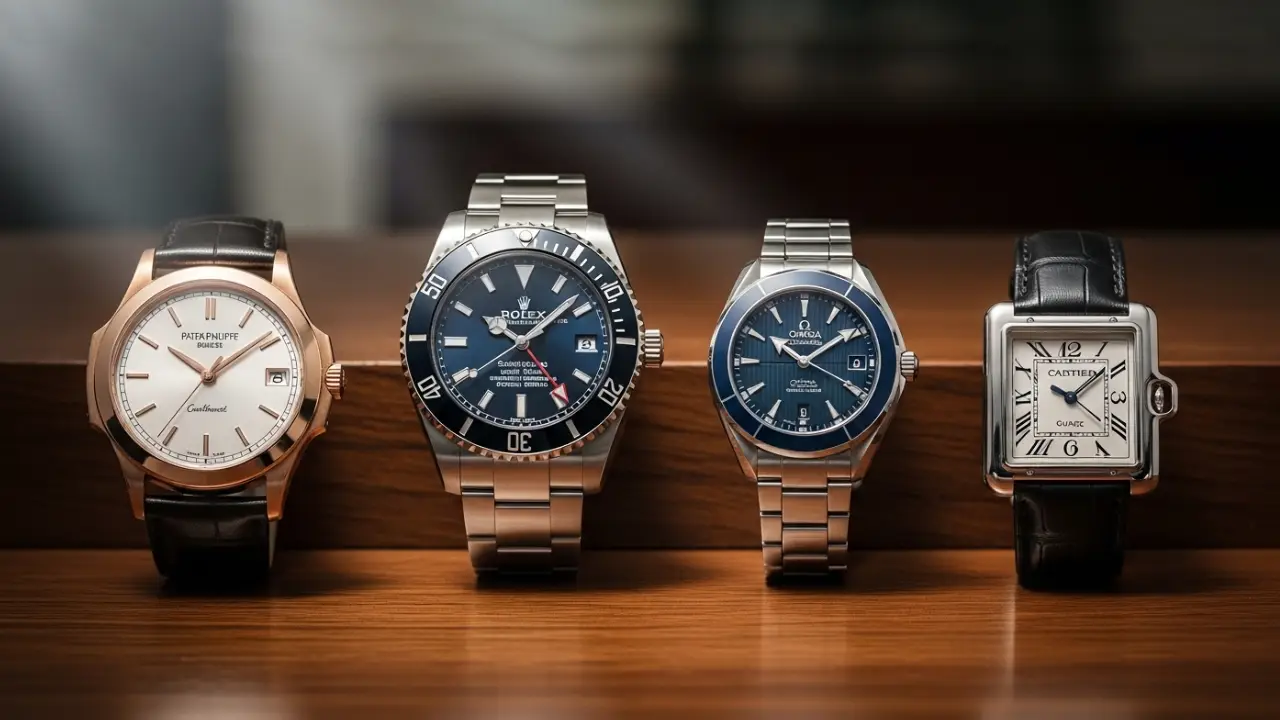
Choosing the right watch isn’t just about budget or brand recognition—it’s about timing in life. Style evolves, priorities shift, and what feels right on your wrist at 25 may not suit you at 45. This guide breaks down the best watches for different age groups, helping you match your stage of life with the right blend of design, functionality, and long-term value.
Why Age Matters When Choosing a Watch
A watch is one of the few accessories that can follow you through decades. Early on, it’s often about experimentation and identity. Later, it becomes a reflection of taste, discipline, and even legacy. Factors like case size, complication level, brand perception, and resale value all play different roles depending on where you are in life.
In Your 20s: Exploration and Identity
Your 20s are about discovering personal style without overcommitting financially. This is the time to experiment with different designs—sporty, minimalist, vintage-inspired—without feeling locked into one aesthetic. Brands like Seiko and Tissot offer excellent entry points. They deliver reliable movements and strong design language without a steep price. If you’re leaning toward something trend-forward, Hamilton provides versatile pieces that bridge casual and formal wear. Durability matters here.
Look for stainless steel cases, sapphire crystals, and automatic movements if possible. You want something that can handle daily wear while still feeling like a step above disposable fashion.
In Your 30s: Refinement and Versatility
By your 30s, your style becomes more defined. You’re likely balancing professional growth with personal life, so versatility is key. A watch should transition seamlessly from office to weekend. This is where brands like Omega and Longines shine. They offer elevated craftsmanship and recognizable design without entering ultra-high luxury pricing. Consider investing in a classic dress watch alongside a sport model. A clean dial, leather strap, and moderate case size (38–41mm) will age well.
At this stage, you may also begin to appreciate mechanical complexity—chronographs or GMT functions become more appealing.
In Your 40s: Confidence and Statement
Your 40s are often when watch collecting becomes intentional. You’re no longer experimenting—you’re curating. Quality, heritage, and brand storytelling start to matter more. Iconic names like Rolex and Cartier become natural choices. These brands carry strong identity and long-term value retention. This is also a great time to explore signature pieces: a diver, a GMT, or a refined dress watch that becomes part of your personal image.
Materials like ceramic bezels, precious metals, and high-end finishing techniques begin to justify their cost.
In Your 50s: Legacy and Craftsmanship
In your 50s, the focus shifts from acquisition to appreciation. You’re less concerned with trends and more interested in craftsmanship, heritage, and longevity. High horology brands such as Patek Philippe and Vacheron Constantin represent the pinnacle of watchmaking. These are not just watches—they are heirlooms. Complications like perpetual calendars, minute repeaters, and ultra-thin movements become meaningful not because they’re flashy, but because they showcase mastery.
At this stage, fewer pieces—each with deeper significance—often define a collection.
60 and Beyond: Simplicity and Meaning
Beyond 60, comfort and clarity take priority. Legibility, wearability, and emotional connection outweigh technical complexity. Classic designs with clean dials, thinner cases, and softer straps are ideal. Many collectors return to understated elegance—pieces that feel timeless rather than attention-seeking. This is also when watches often take on sentimental value.
Whether it’s a piece acquired decades ago or something intended to be passed down, the story behind the watch becomes just as important as the watch itself.
Key Factors to Consider Across All Ages
While preferences evolve, a few principles remain constant: Fit and proportion matter more than trends. Build quality always outweighs short-term style. Brand heritage can influence both pride of ownership and resale value. Versatility ensures your watch stays relevant as your lifestyle changes.
Final Thoughts
There’s no strict rule that says you must wear a certain type of watch at a certain age—but aligning your choice with your life stage can lead to better decisions and deeper satisfaction. A well-chosen watch grows with you. It marks milestones, reflects personal evolution, and, in some cases, becomes part of your legacy. Whether you’re starting with your first mechanical piece or investing in a lifelong collection, the right watch is always about more than just time.