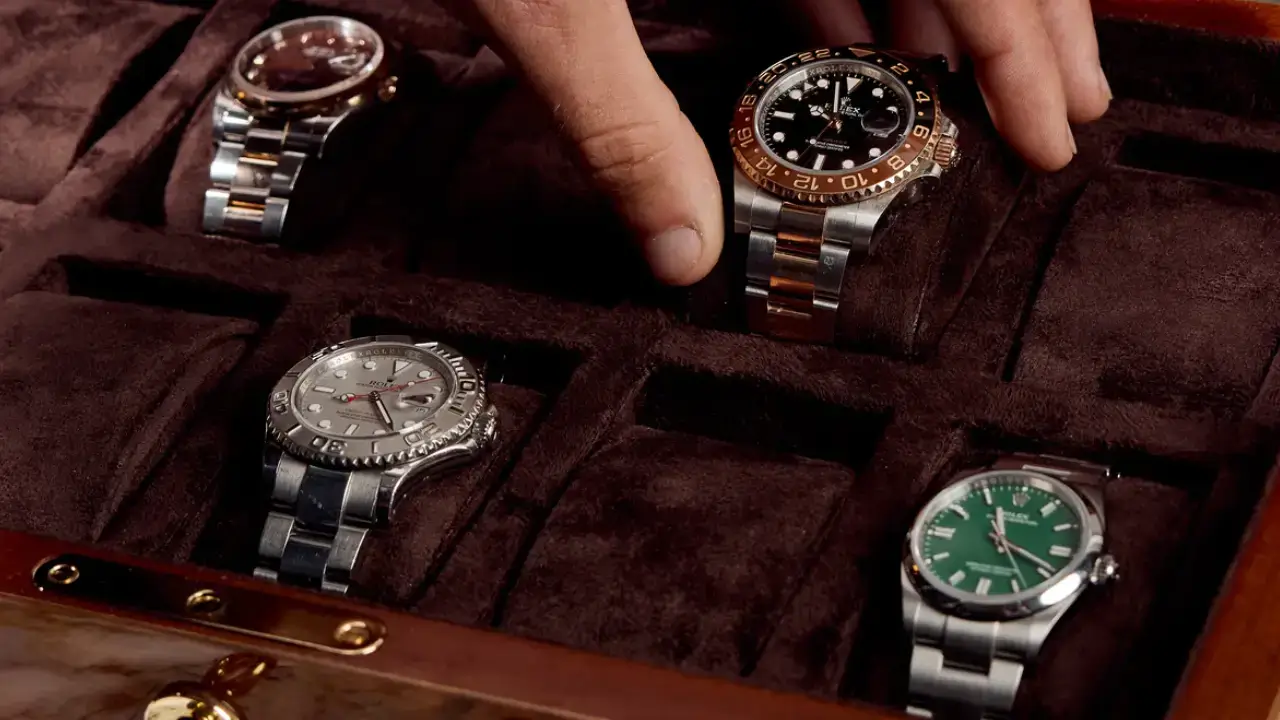
A luxury watch is more than a way to tell time. It is a piece of fine engineering, a symbol of craftsmanship, and often a valuable investment. Whether you own a Rolex, Patek Philippe, Omega, or Audemars Piguet, regular maintenance plays an important role in keeping your watch accurate and reliable. Many owners wear their watches every day but rarely think about servicing them until a problem appears. By that time, the damage may already be expensive to repair. So, how often should you get a luxury watch service?
The answer depends on several factors, including the watch type, how often you wear it, and the manufacturer's recommendations.
What Is a Luxury Watch Service?
A luxury watch service is a professional maintenance process that helps keep your watch running properly. During a full service, a watchmaker will: Disassemble the movement Clean all components Replace worn parts Apply fresh lubrication Reassemble the movement Test accuracy and performance Check water resistance Over time, lubricants inside a watch begin to dry out. Dust, moisture, and normal wear can also affect the movement. A regular luxury watch service helps prevent these issues from causing serious damage.
How Often Should You Get a Luxury Watch Service?
Most luxury watch brands recommend servicing a mechanical watch every 5 to 10 years. However, the ideal service interval depends on how the watch is used.
Watches Worn Daily
If you wear your luxury watch every day, consider a service every 5 to 7 years. Daily use exposes the movement to: Constant motion Temperature changes Dust Moisture Small impacts Regular servicing helps ensure the watch continues to perform at its best.
Watches Worn Occasionally
If you wear your watch only a few times each month, you may be able to extend the interval to around 7 to 10 years. Even when a watch is not being worn, lubricants can still age over time. This means occasional wear does not eliminate the need for maintenance.
Vintage Luxury Watches
Vintage watches often require closer attention. Older seals, aging components, and discontinued parts can make preventive maintenance especially important. Many collectors have vintage watches inspected every few years to avoid costly repairs.
Does Every Brand Recommend the Same Service Interval?
Not exactly. Different manufacturers provide different recommendations.
Rolex
Rolex generally recommends servicing modern watches approximately every 10 years, depending on usage.
Patek Philippe
Patek Philippe often suggests servicing mechanical watches every 3 to 5 years to maintain peak performance.
Omega
Omega commonly recommends a service interval between 5 and 8 years.
Audemars Piguet
Audemars Piguet typically advises owners to service their watches every 4 to 6 years. The best approach is to follow the manufacturer's guidance while also paying attention to how your watch performs.
Signs Your Watch Needs Service Sooner
You should not rely only on the calendar. Sometimes a watch may need a luxury watch service earlier than expected. Watch for these warning signs:
Loss of Accuracy
If your watch suddenly gains or loses significant time, the movement may need attention.
Reduced Power Reserve
A fully wound watch should run for its expected power reserve. If it stops much earlier, servicing may be necessary.
Moisture Inside the Crystal
Any sign of condensation should be addressed immediately. Water can damage delicate movement components very quickly.
Difficulty Winding the Watch
A rough or stiff winding feel may indicate wear inside the movement.
Unusual Noises
Grinding, rattling, or other unexpected sounds often suggest internal issues.
What Happens If You Skip a Luxury Watch Service?
Many owners postpone servicing because the watch still appears to work. Unfortunately, internal wear can continue even when the watch seems fine. Without proper maintenance: Lubricants dry out Metal parts create friction Components wear faster Accuracy declines Repair costs increase A routine luxury watch service is usually much less expensive than repairing a severely damaged movement.
How Much Does a Luxury Watch Service Cost?
The cost depends on the brand, model, and complexity of the movement. Basic mechanical watches generally cost less to service than: Chronographs Annual calendars Perpetual calendars Minute repeaters Tourbillons Luxury watch service costs can range from a few hundred dollars to several thousand dollars for highly complicated watches. Although servicing requires an investment, it helps protect the long-term value of the watch.
Can Regular Servicing Help Maintain Resale Value?
Yes. Service history is important for many buyers and collectors. When selling a pre-owned luxury watch, documented maintenance records can increase buyer confidence. A recently serviced watch may: Sell faster Command a stronger price Appear more trustworthy to buyers For collectors, maintaining service records is almost as important as preserving the original box and papers.
Tips to Extend the Time Between Services
While servicing cannot be avoided forever, proper care can reduce unnecessary wear.
Avoid Strong Magnetic Fields
Magnets can affect timekeeping accuracy.
Keep the Watch Clean
Wipe the case and bracelet regularly with a soft cloth.
Protect It From Hard Impacts
Even durable sports watches can suffer movement damage from severe shocks.
Ensure Water Resistance Is Checked
Gaskets age over time. Have water resistance tested periodically, especially before swimming or diving.
Store the Watch Properly
When not wearing the watch, store it in a clean and dry environment.
Final Thoughts
So, how often should you get a luxury watch service? For most modern luxury watches, a service every 5 to 10 years is a reasonable guideline. However, factors such as usage, watch age, and brand recommendations can affect the ideal schedule. The most important thing is not to wait until a problem becomes obvious. Regular luxury watch service helps maintain accuracy, reliability, and long-term value.
Whether you own a modern sports watch or a rare collector's piece, proper maintenance can help your timepiece perform beautifully for many years to come.