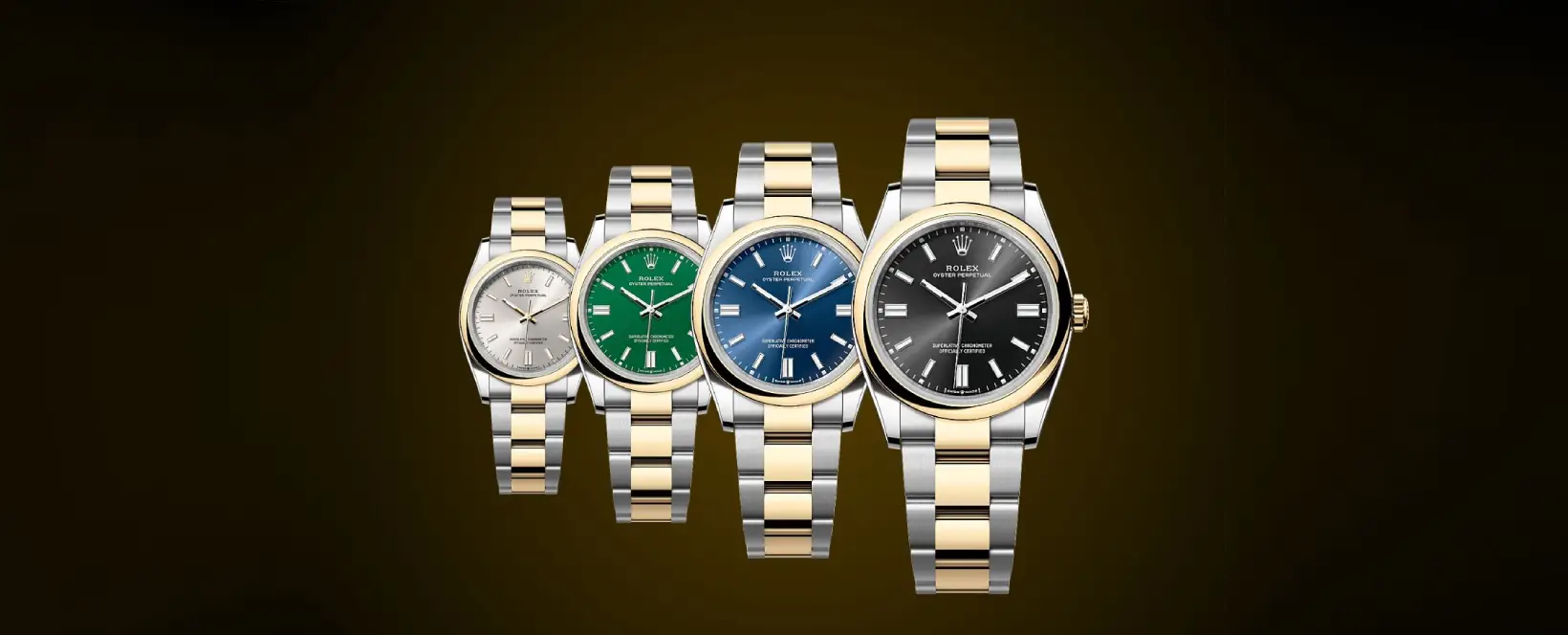
Choosing a watch is not simply about telling time—it is about selecting a piece that reflects your lifestyle, taste, and long-term expectations. With thousands of brands, movements, materials, and styles available today, the process can feel overwhelming. This guide breaks down the key factors you should consider when choosing a watch, helping you make a confident and informed decision.
1. Define the Purpose of the Watch
Before comparing brands or specifications, clarify why you are buying the watch. Purpose influences every other decision. Daily wear: Comfort, durability, and versatility matter most Formal occasions: Slim cases, leather straps, understated dials Sports or diving: Water resistance, legibility, robust construction Collecting or investment: Brand reputation, movement quality, resale value A watch designed for professional diving will feel very different from one intended for office wear.
Knowing the primary use helps narrow your options immediately.
2. Choose the Right Watch Type
Watch styles are broadly categorized by function and design language.
Dress Watches
Thin cases, clean dials Typically on leather straps Best suited for formal or business attire
Sports Watches
Durable cases, stronger lume Often feature water resistance or complications Ideal for everyday wear
Dive Watches
High water resistance (usually 200m or more) Rotating bezel, strong legibility One of the most versatile modern watch categories
Chronographs
Stopwatch functionality Sporty or technical appearance Usually thicker cases
Field and Pilot Watches
High readability Tool-watch aesthetics Often inspired by military designs Selecting a category helps you avoid watches that look appealing but don’t fit your real needs.
3. Understand Watch Movements
The movement is the engine of the watch. Your choice here affects accuracy, maintenance, and price.
Quartz
Battery-powered Highly accurate Minimal maintenance Ideal for convenience and reliability
Automatic (Mechanical)
Powered by wrist movement Traditional craftsmanship Requires regular servicing Favored by collectors and enthusiasts
Manual-Wind
Hand-wound mechanical movement Slim profiles and classic appeal Requires daily or frequent winding There is no “better” movement—only what suits your preferences and expectations.
4. Select the Appropriate Case Size
Case size affects both comfort and appearance. 36–38mm: Classic proportions, suitable for smaller wrists 39–41mm: Most versatile modern size 42mm and above: Sporty presence, best for larger wrists Also consider: Case thickness (important for comfort) Lug-to-lug length (affects how the watch sits on your wrist) A well-fitting watch should feel balanced—not top-heavy or oversized.
5. Pay Attention to Materials
Materials influence durability, weight, and overall feel.
Case Materials
Stainless steel: Durable and versatile Titanium: Lightweight and corrosion-resistant Gold or precious metals: Luxury appeal, higher cost
Crystal
Sapphire: Scratch-resistant and premium Mineral glass: More affordable, less scratch-resistant
Strap and Bracelet
Leather: Elegant but less water-friendly Metal bracelet: Durable and versatile Rubber or fabric: Ideal for sports and casual wear Quality materials significantly enhance long-term satisfaction.
6. Consider Water Resistance Realistically
Water resistance ratings can be misleading if misunderstood. 30m: Splash-resistant only 50–100m: Suitable for daily wear and light water exposure 200m+: Safe for swimming and diving If you want a watch you never need to worry about, a minimum of 100–200 meters is a practical choice.
7. Evaluate the Brand and Value Proposition
Brand matters—not only for prestige, but for quality control, service support, and resale value. When assessing a brand, consider: Movement reliability Case and bracelet finishing Service availability Long-term reputation Well-established brands often provide better long-term ownership experience, especially for mechanical watches.
8. Set a Realistic Budget
A higher price does not always mean a better watch—but extremely low prices often involve compromises. When setting your budget, think about: Movement type Build quality Brand credibility After-sales service Many excellent watches exist in the mid-range, offering strong craftsmanship without unnecessary premiums.
9. Try Before You Buy (If Possible)
Specifications don’t always translate to real-world comfort. Whenever possible: Try the watch on your wrist Check weight and balance Evaluate dial legibility in different lighting A watch that looks perfect online may feel completely different in person.
10. Buy What You Truly Like
Trends come and go, but personal satisfaction lasts. Choose a watch that: Fits your lifestyle Feels comfortable Matches your taste A well-chosen watch becomes part of your daily life—not just an accessory.
Final Thoughts
Learning how to choose a watch is about balancing function, design, and personal preference. By understanding purpose, movement, size, materials, and brand value, you can confidently select a watch that you will enjoy wearing for years to come. A good watch does not need to be expensive or complicated—it simply needs to be right for you.