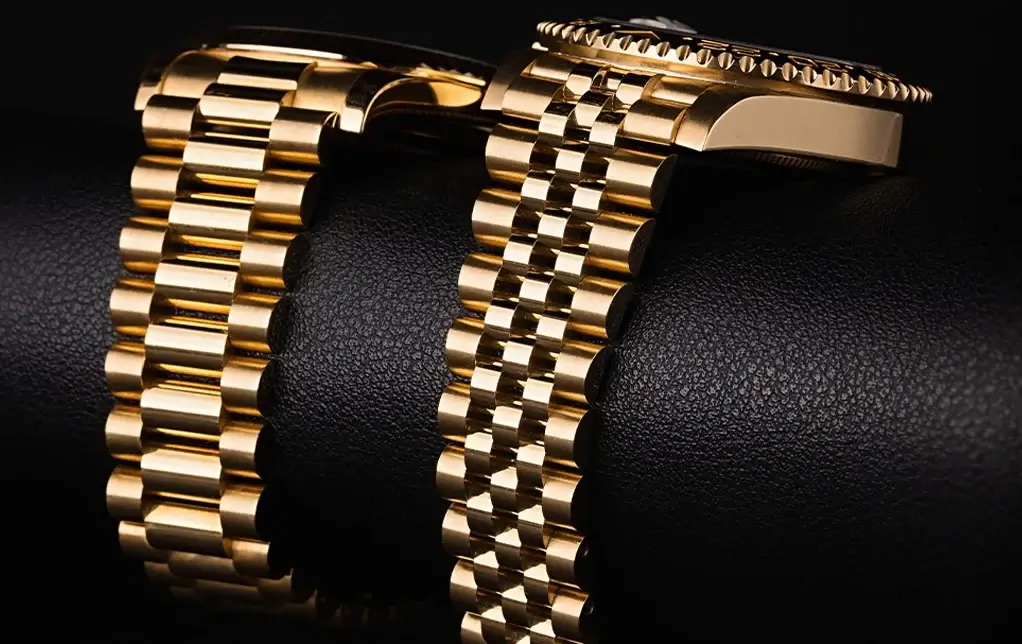
When choosing a Rolex bracelet, appearance usually gets the most attention. The Jubilee looks refined and detailed. The Oyster looks clean, solid, and sporty. But after wearing a Rolex for several hours, appearance becomes less important. Comfort starts to matter. Does the bracelet follow your wrist naturally? Does it move with your hand? Does it feel secure during daily activities? And what happens when your wrist expands slightly during a long day?
These questions make the Rolex Jubilee vs Oyster comfort comparison more interesting than it first appears. Neither bracelet is universally more comfortable. Their different constructions create different wearing experiences. Understanding those differences can help you choose the bracelet that fits your wrist and lifestyle better.
What Makes a Rolex Bracelet Comfortable?
Bracelet comfort is not determined by the number of links alone. Several factors affect how a Rolex feels on the wrist. These include flexibility, link articulation, bracelet width, watch weight, clasp adjustment, wrist shape, and how tightly the bracelet is sized. A bracelet that moves naturally with the wrist can feel more comfortable during frequent movement. A more rigid bracelet may feel better to someone who prefers a secure and substantial sensation.
This is why two people can wear the same Rolex and have completely different opinions about its comfort. The key difference between Jubilee and Oyster is their construction. The Jubilee uses five links across its width. The Oyster uses three larger links. This basic difference affects how each bracelet bends and follows the wrist.
Why Does the Rolex Jubilee Often Feel More Comfortable?
The Jubilee bracelet is known for its flexibility. Its five-link construction uses smaller links that can articulate more closely around the wrist. As your wrist changes position, the bracelet can follow that movement with less resistance. This can make Jubilee particularly appealing for people who value a close-fitting sensation. Instead of feeling like a solid metal band sitting around the wrist, Jubilee can feel more integrated with it. That characteristic becomes noticeable when you move your hand frequently.
For example, when working at a desk, typing, driving, or simply changing your wrist position throughout the day, the smaller links can move naturally with the wrist. This does not mean every wearer will find Jubilee more comfortable. Some people actually prefer the more substantial feeling of the Oyster bracelet. Comfort is personal, but Jubilee's flexibility gives it an important advantage for many wearers.
Why Does the Rolex Oyster Still Feel Comfortable?
The Oyster bracelet takes a different approach. Its three-link construction gives it a more solid and straightforward character. The larger links create a strong visual and physical connection between the watch head and the wrist. For many Rolex owners, this is exactly what makes Oyster comfortable. It feels secure. When you move your arm, the bracelet does not have the same highly articulated sensation as Jubilee. Instead, it provides a more stable feeling around the wrist.
This can be particularly appealing for people who prefer sporty watches or spend a lot of time moving around. Oyster also has a visually simpler structure. There are fewer links to define the surface, which contributes to its clean appearance. So while Jubilee may feel more flexible, Oyster can feel more stable. The difference is not about one bracelet being better. It is about the type of comfort you prefer.
Is Jubilee Better for Small Wrists?
This is one of the most common questions in the Rolex Jubilee vs Oyster comfort debate. People with smaller wrists often benefit from a bracelet that can conform closely to the wrist. Jubilee's smaller links can help achieve that feeling. The bracelet can curve more naturally instead of maintaining a relatively straight profile. This can make a properly sized Jubilee feel comfortable on a smaller wrist. However, wrist circumference is not the only factor. Wrist shape also matters.
Two people with the same wrist circumference can have very different wrist profiles. The size of the Rolex case matters too. A smaller bracelet cannot compensate for a case that is too large or has excessive lug-to-lug length. The watch itself still needs to fit the wrist proportionally. Therefore, Jubilee may have an advantage for some smaller-wrist wearers, but it should not be treated as an automatic rule.
Which Is Better for Long Hours of Wear?
Long-term comfort is where the difference between the two bracelets becomes easier to notice. Imagine wearing your Rolex from morning until evening. Your wrist will not remain exactly the same size throughout the day. Temperature, activity, and natural changes in circulation can all affect how the bracelet feels. A highly flexible bracelet can accommodate these changes more naturally. This is one reason many people enjoy Jubilee for office wear and extended daily use.
When your wrist repeatedly bends while typing or working, the bracelet can follow those movements. Oyster can also work extremely well for long-term wear. Its advantage is stability. If you prefer your watch to remain firmly positioned rather than moving naturally with every wrist movement, Oyster may actually feel better. The ideal choice depends on whether you prefer flexibility or stability.
What About Hot Weather?
Warm weather introduces another comfort consideration. Metal bracelets can feel different when temperatures rise. Your wrist may expand slightly, and perspiration can accumulate between the bracelet and skin. Neither Jubilee nor Oyster completely eliminates this problem. Both are metal bracelets, so proper sizing and regular cleaning remain important. Jubilee's smaller links can provide more articulation around the wrist. Oyster's simpler construction may feel more straightforward and easier to clean.
The important point is not to choose a bracelet based only on the assumption that one will always feel cooler. Your wrist size, bracelet fit, climate, and personal sensitivity will influence the experience more than the bracelet name alone.
Bracelet Adjustment Can Matter More Than You Think
There is another factor that is often overlooked in the Rolex Jubilee vs Oyster comfort discussion. The best bracelet can still feel uncomfortable if it is incorrectly sized. A bracelet that is too tight can create pressure around the wrist. A bracelet that is too loose can allow the watch to slide and rotate. Neither situation is ideal. Proper adjustment allows the watch to sit securely while leaving enough room for natural wrist movement. Clasp adjustment is also important.
Your wrist can change slightly throughout the day, so having appropriate adjustment options can make a noticeable difference. This is why you should not judge a bracelet's comfort based on a single quick try-on. Wear it for a meaningful period and pay attention to how it feels while your wrist is moving.
Jubilee vs Oyster: Which One Should You Choose?
If your priority is flexibility and close wrist conformity, Jubilee is often the better choice. Its five-link construction can make it feel more fluid and refined, particularly during long periods of everyday wear. If you prefer stability, simplicity, and a more substantial sensation, Oyster may be the better choice. It can feel secure and dependable without the more articulated character of Jubilee. Your Rolex model also matters. A Datejust with Jubilee can create a particularly refined wearing experience.
An Oyster-equipped Datejust can feel cleaner and more understated. On the GMT-Master II, the difference becomes even more interesting. Jubilee emphasizes flexibility and visual detail, while Oyster reinforces the watch's sporty character.
Final Verdict: Rolex Jubilee vs Oyster Comfort
So, which Rolex bracelet is more comfortable? There is no universal winner. Jubilee tends to have the advantage in flexibility and wrist conformity. Its five-link construction allows the bracelet to articulate naturally and can make it especially comfortable for extended wear. Oyster tends to have the advantage in stability and solidity. Its three-link construction provides a more substantial and secure feeling that many wearers prefer.
The best choice ultimately depends on your wrist shape, watch size, wearing habits, and personal preference. If you want a bracelet that moves naturally with your wrist, Jubilee is worth serious consideration. If you prefer a solid, simple, and secure feel, Oyster may be the better fit. And remember: bracelet sizing can matter just as much as the bracelet design itself.
If you want to compare the two bracelets beyond comfort—including appearance, durability, maintenance, and which Rolex models suit each bracelet—read our complete Rolex Oyster vs Jubilee: Which Bracelet Should You Choose? guide.