For more than four centuries, Switzerland has been known as the heart of fine watchmaking. Swiss watches represent precision, craftsmanship, and timeless design. Brands such as Rolex, Omega, Patek Philippe, and Audemars Piguet have become symbols of luxury around the world. However, the success of Swiss watchmaking was not guaranteed. In the 1970s, the industry faced one of the biggest challenges in its history.
The arrival of quartz watches changed the global market and pushed many traditional Swiss watchmakers close to collapse. The story of the Swiss watch industry revival is a story of innovation, adaptation, and a return to craftsmanship. By combining new technology with traditional mechanical expertise, Switzerland transformed a serious crisis into a new era of luxury watchmaking.
The Rise of Swiss Watchmaking
Swiss watchmaking has a history that dates back to the 16th century. Geneva became an important center for watch production as skilled craftsmen developed advanced techniques for creating accurate and beautiful timepieces. Over time, Swiss watchmakers built a reputation for: •High-quality mechanical movements •Precise craftsmanship •Innovative complications •Luxury materials •Long-lasting durability By the 20th century, Swiss watches dominated the international market.
Many collectors considered Swiss mechanical watches the highest achievement in traditional watchmaking. Brands like Rolex, Omega, and Patek Philippe continued to improve movement technology while creating iconic designs that remain popular today. However, the industry depended heavily on traditional mechanical watches, and this became a weakness when new technology appeared.
The Quartz Crisis: The Biggest Challenge in Swiss Watch History
During the 1970s, quartz technology changed the watch industry forever. Quartz watches were more accurate, cheaper to produce, and easier to maintain compared with traditional mechanical watches. Japanese companies, especially those focused on mass production, quickly expanded the quartz market. Swiss watchmakers struggled to compete because their production methods were based on traditional craftsmanship and small-scale manufacturing. The result was a dramatic decline in the Swiss watch industry.
At the peak of the crisis: •Swiss watch employment dropped significantly •Hundreds of watch companies disappeared •Traditional mechanical watches lost market share The industry that once dominated global watchmaking was suddenly fighting for survival.
How Switzerland Rebuilt Its Watch Industry
The revival of the Swiss watch industry did not happen overnight. It required new ideas, better organization, and a different understanding of what a watch represented.
The Birth of Swatch
One of the most important moments in Swiss watch history was the creation of the Swatch watch in 1983. Instead of competing directly with low-cost Asian quartz watches, Switzerland created a fashionable and affordable quartz watch that combined technology with Swiss design. Swatch introduced colorful designs, creative marketing, and a new lifestyle approach to watches. The brand helped rebuild confidence in Swiss watchmaking and attracted younger customers.
The success of Swatch also helped stabilize the Swiss watch industry and provided resources for the recovery of traditional luxury brands.
The Return of Mechanical Watches
While quartz watches dominated the affordable market, Swiss companies discovered that mechanical watches could succeed as luxury products. Instead of competing on price and accuracy alone, Swiss brands focused on: •Heritage •Craftsmanship •Exclusivity •Emotional value A mechanical watch was no longer just a tool for telling time. It became a symbol of personal achievement, tradition, and identity. This shift helped brands such as Rolex, Omega, and Patek Philippe strengthen their positions in the luxury market.
Luxury Watch Brands Lead the New Era
After the quartz crisis, Swiss watchmakers changed their strategy. They focused on creating exceptional timepieces instead of mass-producing affordable watches.
Rolex: Building a Global Luxury Image
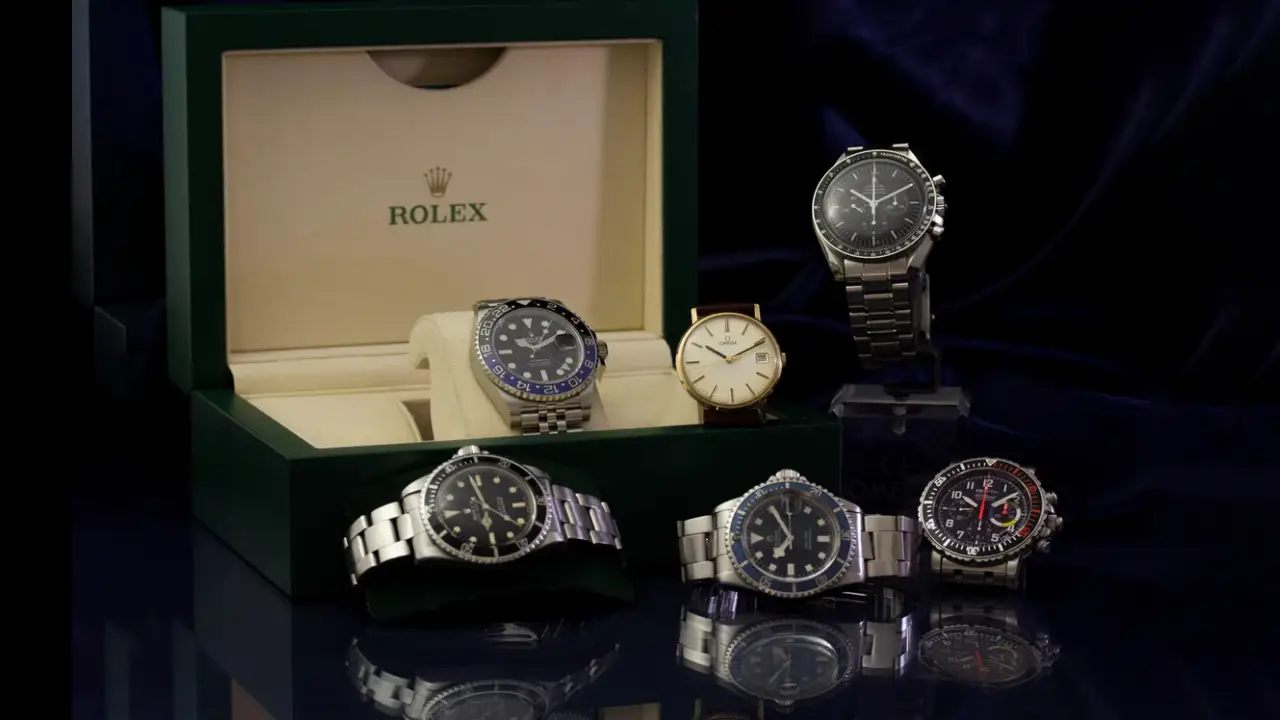
Rolex became one of the strongest examples of successful luxury positioning. The company continued producing reliable mechanical watches while developing strong associations with exploration, sports, and achievement. Models such as the Submariner, Daytona, and GMT-Master II became icons among collectors.
Omega: Combining Heritage and Innovation
Omega successfully combined historical achievements with modern technology. The Speedmaster's connection with space exploration and the brand's focus on precision helped Omega remain one of Switzerland's most respected watchmakers.
Independent Brands and Haute Horlogerie
Independent manufacturers also played an important role in the revival. Companies such as Audemars Piguet and Patek Philippe focused on complicated mechanical movements and handcrafted finishing. These brands proved that traditional watchmaking still had strong demand among collectors.
Technology and Tradition: The New Swiss Watch Formula
The revival of Swiss watchmaking was not about rejecting technology. Instead, Switzerland learned how to combine innovation with tradition.
Modern Swiss watches now include •Advanced materials such as ceramic and titanium •Improved movement accuracy •Longer power reserves •Better water resistance •Anti-magnetic technology At the same time, brands continue preserving traditional skills such as: •Hand finishing •Engraving •Tourbillon production •Complicated movement assembly This balance between technology and craftsmanship became the foundation of modern Swiss luxury watches.
Why Swiss Watches Remain Popular Today
The success of Swiss watchmaking comes from more than technical quality. A Swiss watch represents:
Heritage
Many Swiss brands have histories that span more than 100 years. Owners are not only buying a product but also becoming part of a long tradition.
Craftsmanship
Luxury mechanical watches require thousands of carefully finished components. Each watch reflects the skill of experienced watchmakers.
Collecting Value
Many Swiss watches maintain strong demand in the pre-owned market. Limited production, historical importance, and brand reputation make certain models attractive to collectors.
Emotional Connection
Unlike smartphones or digital devices, mechanical watches often carry personal meaning. They can represent achievements, memories, and milestones.
The Future of the Swiss Watch Industry
Today, Switzerland remains one of the world's most important watchmaking centers. The industry has recovered from the challenges of the quartz crisis and continues to evolve. Switzerland remains the world's leading exporter of high-value watches, with strong performance in the luxury segment.
However, new challenges are emerging: •Smartwatches •Changing consumer preferences •Economic uncertainty •New luxury markets To remain successful, Swiss brands must continue adapting while protecting the traditions that made them famous.
Conclusion
The revival of the Swiss watch industry is one of the most fascinating stories in luxury history. Switzerland survived the quartz crisis by changing its strategy. Instead of competing only through technology or price, Swiss watchmakers focused on craftsmanship, heritage, and emotional value. Today, Swiss watches remain among the most respected luxury products in the world. Their journey proves that tradition can survive when combined with innovation.
For collectors and watch enthusiasts, owning a Swiss watch means owning a piece of history — a reminder of how an industry overcame its greatest challenge and created a new future.