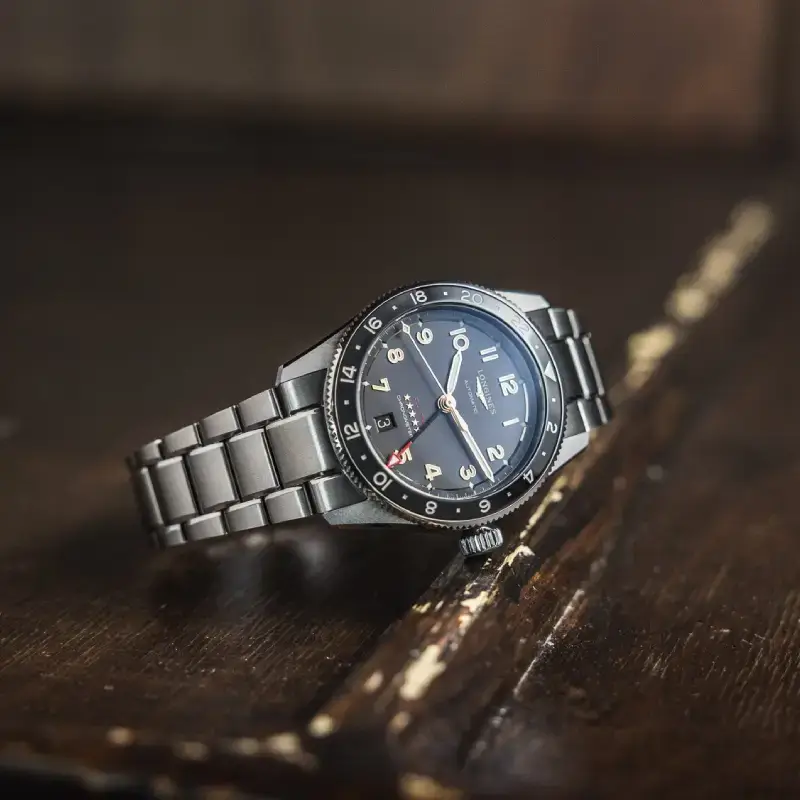
When choosing a new watch, the material of the case and bracelet can have a bigger impact on the wearing experience than many people expect. Among the most common options, titanium and stainless steel are two of the most popular choices. Titanium watches are known for being exceptionally lightweight, comfortable, and well suited to sports and outdoor activities. Steel watches, meanwhile, remain popular because of their classic appearance, durability, versatility, and familiar premium feel.
So, when it comes to a titanium vs steel watch, which one is actually better? The answer is not simply that lighter is better. Titanium and steel offer different advantages, and the right choice depends on how you plan to wear your watch, what style you prefer, and how much you are willing to spend.
Titanium vs Steel Watch: What Is the Difference?
Before comparing the two materials, it helps to understand what makes them different.
What Is a Titanium Watch?
Titanium is a lightweight metal with an excellent strength-to-weight ratio. It is naturally resistant to corrosion and is widely used in industries where low weight and durability are important. In watchmaking, titanium is especially common in sports watches, dive watches, field watches, and other tool-oriented designs. One of the biggest advantages is its low density. A titanium watch can have the same general dimensions as a steel watch while weighing considerably less.
This makes titanium particularly attractive for people who prefer a watch that feels almost unnoticeable on the wrist.
What Is a Steel Watch?
Stainless steel has been used in watchmaking for decades and remains one of the industry standards. Many watches use 316L stainless steel because it offers a good balance of corrosion resistance, strength, machinability, and appearance. Compared with titanium, steel is substantially heavier. However, that extra weight is not necessarily a disadvantage. Many watch enthusiasts actually enjoy the solid, substantial feeling of a steel watch on the wrist.
Steel can also be finished in many different ways, including polished, brushed, satin, and combinations of these finishes.
Titanium vs Steel: Quick Comparison
FeatureTitaniumStainless SteelWeightVery lightHeavierComfortExcellent for long wearGood, but more substantialStrength-to-weight ratioExcellentVery goodCorrosion resistanceExcellentExcellentScratch resistanceDepends on surface treatmentGenerally goodAppearanceGray, muted, modernBright, classic, versatilePriceOften higherUsually more accessibleBest forSports, outdoor, everyday lightnessEveryday, formal, classic styles The important point is that neither material wins in every category.
Weight: Why Are Titanium Watches So Light?
Weight is probably the biggest difference you will notice between titanium and steel. Titanium has a much lower density than stainless steel. As a result, replacing steel components with titanium can significantly reduce the overall weight of a watch. This becomes particularly noticeable with larger watches. A large steel sports watch may feel heavy after several hours of wear. The same basic design in titanium can feel much easier to wear throughout the day.
For people who spend long hours at a desk, travel frequently, exercise, hike, or simply dislike the sensation of a heavy watch, titanium can be a major advantage. But there is another side to this. Some people associate weight with quality. A heavy steel watch can feel substantial and luxurious, while a very light titanium watch may initially feel surprisingly different. That does not mean titanium is cheap or less durable. It simply has a different physical feel.
Comfort: Is Titanium More Comfortable?
For many wearers, yes. A lighter watch generally puts less weight on the wrist and can be more comfortable during extended use. This is particularly useful when the watch itself is large or thick. Titanium can also be appealing in hot weather and during physical activity. When your wrist is moving constantly, reducing unnecessary weight can make the watch feel less intrusive. Another characteristic people notice is how titanium feels when first put on.
Compared with steel, titanium generally has a less cold-to-the-touch sensation because of its thermal properties. However, comfort is not determined by material alone. The case shape, bracelet design, lug length, thickness, clasp, and strap all affect how a watch feels. A well-designed steel watch can be more comfortable than a poorly designed titanium watch.
Durability: Is Titanium More Durable Than Steel?
This is where the comparison becomes more complicated. Titanium is strong and has an excellent strength-to-weight ratio, but strength and scratch resistance are not the same thing. A titanium watch can be highly durable while still showing surface scratches relatively easily, depending on the specific alloy and finishing process.
Titanium and Scratches
Traditional titanium surfaces can develop visible marks from everyday contact with desks, door frames, and other hard surfaces. Some manufacturers address this issue through technologies such as hardened titanium, protective coatings, or DLC-type surface treatments. Therefore, when evaluating a titanium watch, it is worth looking beyond the word “titanium” and checking how the surface has been treated.
Stainless Steel and Scratches
Steel can also scratch, of course. However, scratches on a brushed or polished steel watch may be easier to refinish or blend during servicing. This is one reason some owners prefer steel for watches that they expect to keep for decades. Ultimately, neither material is scratch-proof. If you want your watch to remain completely free of marks, both titanium and steel will eventually disappoint you.
Appearance: Titanium vs Steel, Which Looks Better?
This is largely a matter of personal taste. Titanium often has a darker, more subdued gray appearance than conventional polished stainless steel. Its surface can give a watch a technical, modern, or utilitarian character. This makes titanium particularly attractive for: Sports watches Field watches Dive watches Outdoor watches Modern tool watches Steel has a more familiar metallic appearance. Polished steel can create a bright and luxurious look, while brushed steel gives a more understated finish.
Steel therefore works especially well for: Dress watches Business watches Classic watches Everyday watches Integrated-bracelet designs If you like the traditional image of a luxury mechanical watch, steel may feel more natural. If you prefer a modern, lightweight, technical aesthetic, titanium may be more appealing.
Titanium vs Steel: Which Is More Corrosion Resistant?
Both materials perform very well in everyday environments. Titanium has excellent corrosion resistance, which is one reason it is useful in demanding environments. Stainless steel is also highly resistant to corrosion, particularly when high-quality stainless steel is used and the watch is properly maintained. For people who regularly encounter sweat, humidity, or salt water, corrosion resistance is an important consideration. However, water resistance is not determined by the case material alone.
The seals, crown, crystal, case construction, and overall engineering of the watch are also critical. So, don't assume that a titanium watch is automatically better for diving simply because titanium itself is highly corrosion resistant.
Why Are Titanium Watches Often More Expensive?
One common surprise is that titanium watches can cost more than comparable steel models. If titanium is lighter, why should it be more expensive? One reason is manufacturing. Titanium can be more difficult to machine and finish than stainless steel. Producing a clean, consistent surface requires appropriate tooling, machining processes, and finishing techniques. There can also be additional costs associated with hardened surfaces or protective coatings.
Of course, price is also heavily influenced by the brand, movement, design, production volume, and positioning of the watch. Therefore, titanium does not automatically mean better value. You are paying for a combination of material, engineering, manufacturing, and brand positioning.
Which Is Better for Different Situations?
For Everyday Wear
If you want to forget that you are wearing a watch, titanium is an excellent choice. Its low weight can make a significant difference over long periods. If you prefer a more traditional wrist presence and enjoy the feeling of a substantial watch, steel may be better.
For Sports and Fitness
Titanium has a clear advantage when weight is a priority. During running, hiking, cycling, or other activities, a lighter watch can be more comfortable and less distracting. For this reason, titanium is especially popular among sports-watch enthusiasts.
For Hiking and Outdoor Activities
Titanium is also well suited to outdoor use. Its combination of low weight, strength, and corrosion resistance makes it attractive for people who spend significant time outdoors. A large titanium watch can provide the functionality of a large tool watch without the same wrist weight as a steel equivalent.
For Diving
Both titanium and stainless steel can work extremely well for dive watches. Titanium offers low weight and excellent corrosion resistance, while steel provides a traditional dive-watch appearance and a substantial feel. The quality of the case construction and water-resistance system is more important than simply choosing one material over the other.
For Business and Formal Wear
Steel generally has the advantage here. The brighter metallic appearance of polished or finely brushed stainless steel can work naturally with business and formal clothing. That does not mean titanium cannot be dressy. Modern titanium watches can look extremely sophisticated, especially when the design is minimalist. However, steel remains the more traditional choice.
Titanium Watch Pros and Cons
Pros
Extremely lightweight Comfortable for extended wear Excellent strength-to-weight ratio Excellent corrosion resistance Ideal for sports and outdoor watches Modern and technical appearance
Cons
Often more expensive Some titanium surfaces can scratch relatively easily Can feel unusually light to people accustomed to steel Some finishes can be more difficult to refinish
Steel Watch Pros and Cons
Pros
Classic and versatile appearance Solid wrist presence Excellent durability Many finishing options Easy to pair with casual or formal clothing Usually offers more choices at different price points
Cons
Significantly heavier Large steel watches can become uncomfortable over long periods May feel less suitable for extreme sports or outdoor activities where weight matters
Titanium vs Steel Watch: Is Lighter Always Better?
Not necessarily. If your priority is comfort, low weight, sports, travel, or outdoor activities, titanium is often the better choice. If you care more about traditional appearance, substantial wrist feel, versatility, and classic watchmaking aesthetics, stainless steel may be the better option. The most important thing is to think about how you actually wear your watch. A 200-gram watch may look fantastic in photographs, but if it becomes uncomfortable after eight hours, its weight becomes a real disadvantage.
On the other hand, a very lightweight titanium watch may be incredibly comfortable but may not provide the substantial feeling you expect from a luxury timepiece.
Final Verdict: Titanium or Steel?
There is no universal winner in the titanium vs steel watch debate. Choose titanium if you want: Maximum comfort A lightweight watch A sports or outdoor watch Excellent corrosion resistance A modern technical aesthetic Choose stainless steel if you want: A classic appearance More noticeable wrist presence Versatile styling A traditional luxury-watch feel A potentially lower purchase price Ultimately, lighter isn't always better.
The best material is the one that matches your priorities and how you intend to use the watch. Titanium wins the weight battle, but stainless steel continues to win the hearts of many watch enthusiasts because of its familiar feel, appearance, and versatility.
Frequently Asked Questions
Is titanium better than stainless steel for watches?
Neither material is universally better. Titanium is lighter and highly comfortable, while stainless steel offers a classic appearance, substantial feel, and excellent versatility.
Are titanium watches more durable than steel watches?
Titanium offers an excellent strength-to-weight ratio, but durability depends on the specific alloy, surface treatment, and watch construction. Titanium is not necessarily more scratch-resistant than steel.
Are titanium watches worth the extra money?
They can be worth the additional cost if low weight and comfort are important to you. However, the higher price is not automatically an indication that a titanium watch is better overall.
Does titanium scratch easier than stainless steel?
Some untreated or traditionally finished titanium surfaces can show scratches more readily than stainless steel. Hardened titanium and protective coatings can significantly improve surface resistance.
Is a titanium watch more comfortable to wear?
For many people, yes. The significantly lower weight can make titanium especially comfortable for long-term wear and large sports watches.
Which is better for everyday wear, titanium or steel?
It depends on your preferences. Titanium is excellent if you prioritize comfort and lightness, while steel is ideal if you prefer a traditional appearance and more substantial wrist feel.
Why are titanium watches so light?
Titanium has a much lower density than stainless steel, allowing watchmakers to reduce the weight of the case and bracelet while maintaining a strong structure.
Do titanium watches feel cheap because they are lightweight?
Not at all. Lightness is a physical property of titanium rather than an indication of quality. However, people accustomed to heavy steel watches may initially associate the lighter feel with a different level of luxury.