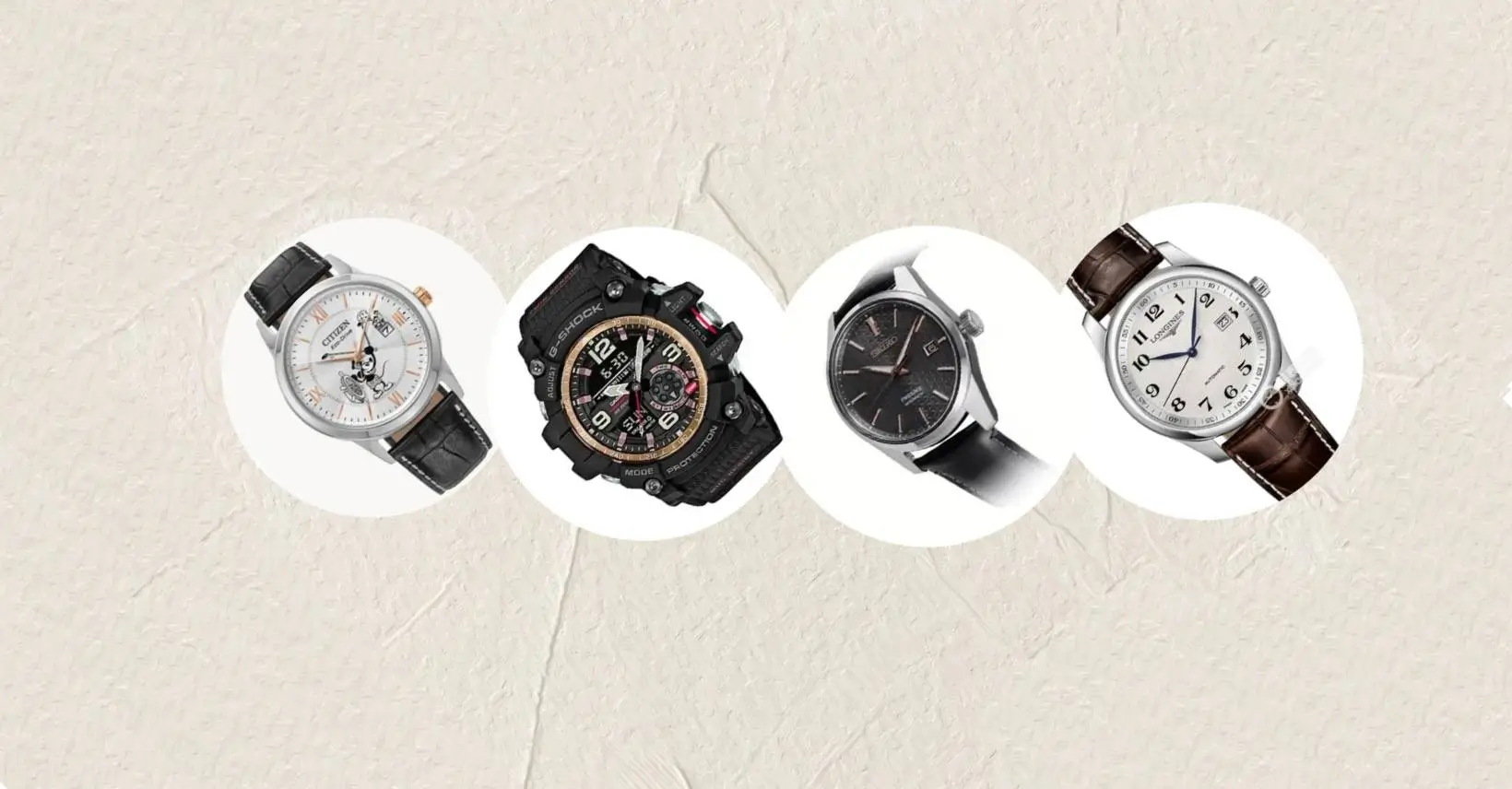
Watches are small mechanical wonders. At first glance, a watch may look simple—just a dial, a few hands, and a strap. But inside that compact case is a carefully designed system made up of many precise components working together. Understanding the parts of a watch helps you appreciate how a timepiece works. It also makes it easier to choose a watch, maintain it properly, and understand the value of different designs. In this guide, we will break down the 10 essential parts of a watch and explain what each one does.
1. Watch Case
The watch case is the outer shell that holds and protects all the internal components of the watch. It acts like the body of the watch, keeping the delicate parts safe from dust, moisture, and impact. Most watch cases are made from durable materials such as stainless steel, titanium, gold, or ceramic. These materials help protect the movement while also defining the watch’s overall appearance. A typical watch case includes several elements, such as the bezel, crystal, crown, and case back.
The shape and size of the case greatly influence how a watch feels on the wrist. Some watches use thicker cases to improve water resistance, while dress watches often have slimmer cases for a more elegant look. Without a strong case, the internal parts of a watch would be vulnerable to damage.
2. Bezel
The bezel is the ring that surrounds the watch crystal. It is attached to the top of the watch case and can be either fixed or rotating. In many watches, the bezel is purely decorative and adds to the design. However, in tool watches, the bezel serves a functional purpose. For example, dive watches often feature a rotating bezel that allows divers to track elapsed time underwater. Some watches also use tachymeter bezels to measure speed. Bezel materials vary widely.
Stainless steel is common, but high-end watches may use ceramic, sapphire, or precious metals. Because the bezel sits at the front of the watch, it also plays a role in protecting the crystal from direct impact.
3. Watch Crystal
The watch crystal is the transparent cover that protects the dial. It allows you to read the time while shielding the dial and hands from dust, scratches, and moisture. There are three main types of watch crystals: Acrylic Crystal Acrylic is lightweight and resistant to shattering. It can scratch easily, but scratches can usually be polished out. Mineral Glass Mineral glass is harder than acrylic and more resistant to scratches. It is commonly used in mid-range watches.
Sapphire Crystal Sapphire crystal is extremely scratch-resistant and is often used in luxury watches. It is made from synthetic sapphire and offers excellent durability and clarity. A high-quality crystal ensures the dial remains visible and well protected for many years.
4. Dial
The dial is the face of the watch where time is displayed. It is one of the most visually important parts of a watch. The dial usually includes: Hour markers or numerals Subdials (on complicated watches) Brand logo Date windows or other indicators Watch dials come in many styles and colors. Some are simple and clean, while others include intricate textures, patterns, or decorative finishes. For collectors, the dial often determines the character of a watch.
A well-designed dial improves readability while also giving the watch its personality.
5. Watch Hands
The watch hands are the moving indicators that point to the time on the dial. Most watches have three main hands: Hour hand Minute hand Second hand These hands are driven by the movement inside the watch. As the gears rotate, the hands move at precise speeds to display the correct time. Watch hands come in many shapes, such as: Dauphine hands Sword hands Baton hands Leaf hands Different styles are chosen to match the watch design and improve readability.
Some watches also include extra hands for additional functions, such as GMT or chronograph hands.
6. Crown
The crown is the small knob located on the side of the watch case. It is used to control several important functions. The crown typically allows you to: Set the time Adjust the date Wind the movement (on mechanical watches) In manual watches, the crown must be turned regularly to wind the mainspring. In automatic watches, the crown can still be used for manual winding if needed. Many sports watches feature screw-down crowns. This design improves water resistance by sealing the case more tightly.
Although it is small, the crown is one of the most frequently used parts of a watch.
7. Movement
The movement is the engine of the watch. It powers the watch and controls the movement of the hands. There are three main types of watch movements.
Mechanical Movement
Mechanical movements operate through a complex system of gears, springs, and wheels. They require manual winding to store energy in the mainspring. These movements are admired for their craftsmanship and traditional watchmaking techniques.
Automatic Movement
Automatic movements are a type of mechanical movement that wind themselves using the motion of the wearer’s wrist. A rotor inside the watch spins as the wrist moves, storing energy in the mainspring.
Quartz Movement
Quartz movements are powered by a battery and regulated by a quartz crystal oscillator. They are highly accurate and require less maintenance compared to mechanical movements. Each movement type offers different advantages in terms of craftsmanship, convenience, and accuracy.
8. Watch Strap
The watch strap is the part that secures the watch to your wrist. It connects to the watch case through small spring bars. Watch straps come in several materials, including: Leather straps Stainless steel bracelets Rubber straps Fabric or NATO straps Each type offers a different style and level of comfort. Leather straps are common on dress watches, while metal bracelets are popular on sports watches. Rubber straps are often used for diving or outdoor activities.
Changing the strap can dramatically alter the appearance of a watch.
9. Clasp
The clasp is the mechanism that keeps the watch strap or bracelet closed around the wrist. Different watches use different types of clasps, including: Folding clasp Deployment clasp Pin buckle Metal bracelets often use folding clasps for added security. Leather straps typically use pin buckles similar to belt buckles. A well-designed clasp improves comfort and ensures the watch stays securely on the wrist.
10. Case Back
The case back is the rear cover of the watch case. It seals the movement inside the watch. There are several types of case backs. Solid Case Back A solid metal cover that provides strong protection for the movement. Transparent Case Back Also known as an exhibition case back, this design uses sapphire crystal so the movement can be viewed. Screw-Down Case Back Common in dive watches, this design improves water resistance.
The case back also often includes engraved information such as the brand, model number, or water-resistance rating.
Conclusion
Although a watch may appear simple, it is made up of many carefully designed components. Each of the parts of a watch plays a specific role in protecting the movement, displaying the time, and ensuring the watch fits comfortably on the wrist. From the durable case and protective crystal to the precise movement and secure clasp, every component works together to create a reliable timepiece. Once you understand these parts, you will begin to see watches differently.
What once looked like a simple accessory becomes a sophisticated piece of engineering and design.
FAQ
What are the main parts of a watch?
The main parts of a watch include the case, bezel, crystal, dial, hands, crown, movement, strap, clasp, and case back. Each part contributes to the watch’s functionality and durability.
What is the most important part of a watch?
The movement is often considered the most important part of a watch because it powers the timekeeping mechanism and controls how the hands move.
What protects the dial of a watch?
The watch crystal protects the dial. Materials like sapphire crystal are especially effective at preventing scratches and damage.
Can watch straps be replaced?
Yes. Most watch straps can be easily replaced using spring bars. This allows owners to change the style or improve comfort.
Why do some watches have transparent case backs?
Transparent case backs allow owners to view the movement inside the watch. This is popular with mechanical watches because the internal craftsmanship can be appreciated.