Introduction
Have you ever noticed something interesting? When someone says they can’t quite afford a Rolex Submariner yet, experienced watch enthusiasts usually don’t tell them to keep saving blindly. Instead, they often say: “Go take a look at the Tudor Black Bay first.” And honestly, there’s a reason for that. The two watches do share a very similar spirit.
Both follow the classic dive watch design language, both balance sporty character with everyday versatility, and both give off that clean, solid, dependable feeling on the wrist — the kind of unmistakable “tool watch” vibe collectors love. But the moment you shift your attention from design to price, the gap becomes obvious. One is a highly sought-after luxury sports watch that often comes with waiting lists and hefty premiums.
The other feels far more attainable — a more rational entry point into Swiss luxury watchmaking. Which naturally raises the question: Is the Tudor Black Bay simply a substitute for the Submariner? Or has it already evolved into a truly mature and respected watch in its own right? Today, we’re going to explore why Tudor is often called Rolex’s “sister brand,” what the real relationship between the two brands looks like, and how that connection continues to shape their positioning, pricing, and public perception.
The History of Tudor Watches
To understand why Tudor is often considered Rolex’s “sister brand,” you first need to look at the brand’s history. Tudor was officially registered in 1926 by Rolex founder Hans Wilsdorf, who wanted to create a Swiss watch brand that could offer the same reliability and durability associated with Rolex, but at a more accessible price point.
At the time, Rolex was already building a reputation as a premium watchmaker, yet Wilsdorf recognized that many consumers still wanted a dependable Swiss-made watch without paying full Rolex prices. Tudor was created to fill that gap. From the very beginning, Tudor shared strong technical and design connections with Rolex. Early Tudor watches often featured Rolex-made Oyster cases, screw-down crowns, and waterproof construction, giving them the same rugged tool-watch DNA that made Rolex famous.
This close relationship is one of the main reasons Tudor has long been viewed as Rolex’s sister brand rather than simply another independent Swiss watch company. During the 1950s and 1960s, Tudor began establishing its own identity through professional dive watches and military-issued models. The Tudor Submariner, in particular, became known for its reliability and practicality, with several naval forces adopting it for real-world use.
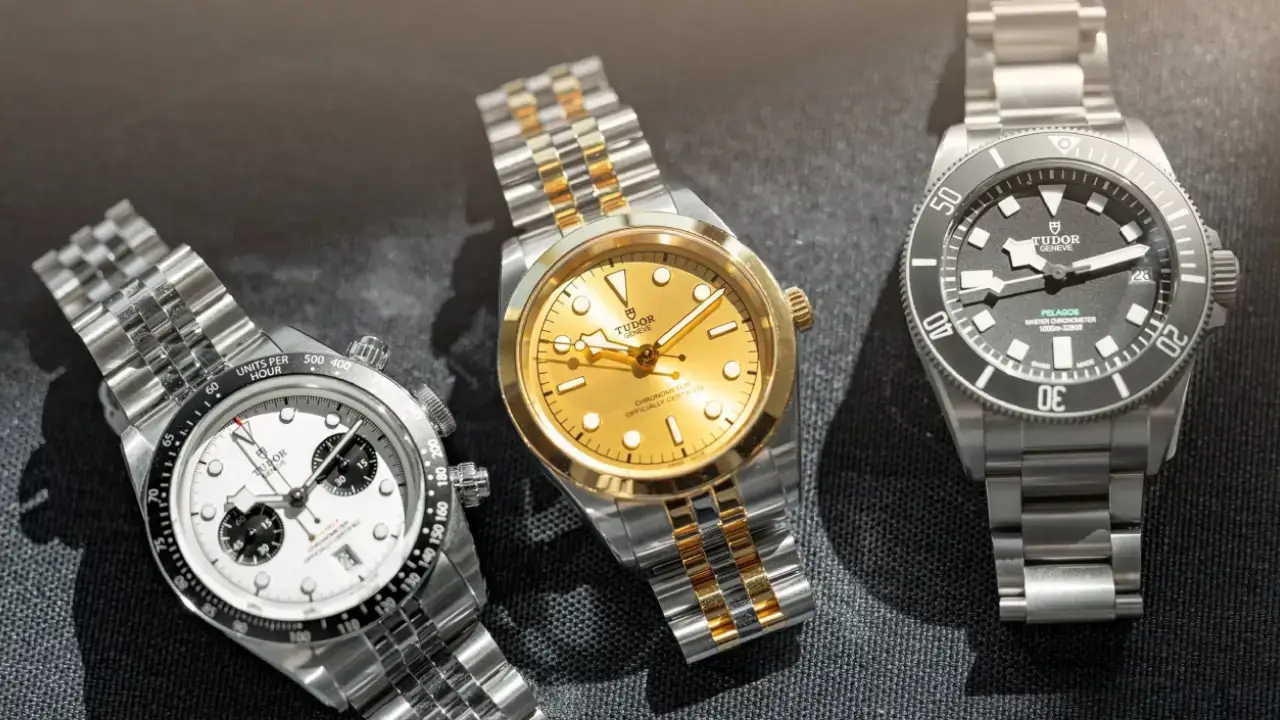
While Rolex increasingly moved toward the luxury segment, Tudor continued to focus on functional sports watches with a more practical and accessible image. Over time, Tudor evolved far beyond its original role as an affordable alternative to Rolex. Collections such as the Black Bay and Pelagos helped the brand develop a distinct identity built around vintage-inspired design, modern performance, and strong value within the luxury sports watch market.
Today, Tudor is still closely connected to Rolex through its history, philosophy, and shared heritage. However, it has also become a respected watchmaker in its own right — which is exactly why the term “Rolex’s sister brand” continues to follow Tudor to this day.
The Key Links Between Tudor and Rolex
1.Shared Founder and Corporate Connection
One of the biggest reasons Tudor is considered Rolex’s sister brand is that both companies were founded by Hans Wilsdorf. Tudor has also long operated under the Rolex SA umbrella, sharing historical ties to Rolex’s Geneva headquarters, parts of its supply chain, manufacturing resources, and after-sales service network. This close corporate relationship creates a connection that goes far beyond simple brand similarity.
2.Shared Oyster Technology
In its early years, Tudor relied heavily on Rolex’s famous Oyster technology, including Oyster cases, screw-down crowns, and waterproof construction systems. These shared innovations gave Tudor watches the same rugged durability and reliability that helped Rolex build its reputation, reinforcing the idea that Tudor carried the same tool-watch DNA at a more accessible level.
3.Shared Components in Early Models
Vintage Tudor watches often used Rolex-made cases, bracelets, and crowns, which made many early Tudor models visually and structurally similar to their Rolex counterparts. This direct parts-sharing relationship is one of the clearest historical links between the two brands and a major reason collectors often compare Tudor to Rolex.
4.Different Market Positioning Under the Same Philosophy
While Rolex gradually evolved into a global luxury symbol, Tudor focused on offering a more accessible alternative without abandoning the core principles of Swiss reliability and functionality. Tudor essentially delivered the spirit of Rolex sports watches at a lower price point, helping establish its reputation as Rolex’s more approachable sister brand.
5.Closely Related Design Language
Many Tudor collections still reflect strong Rolex influences in both design and purpose. From dive watches to GMT models and adventure-focused sports watches, the similarities are easy to recognize. Watches like the Tudor Black Bay and Black Bay GMT clearly echo the aesthetics and tool-watch heritage of the Rolex Submariner and GMT-Master II, further strengthening the connection between the two brands.
Tudor’s Independent Evolution: How the Brand Stepped Out of Rolex’s Shadow
1950s–1960s: Building a Tool Watch Reputation
Although Tudor was closely tied to Rolex in its early years, the brand quickly began developing its own reputation through professional tool watches. During the 1950s and 1960s, Tudor Submariner models were adopted by several military and naval units, helping Tudor establish a strong identity rooted in durability, functionality, and real-world performance rather than pure luxury.
1970s: The Beginning of a Distinct Design Language
By the 1970s, Tudor started moving beyond simply resembling Rolex. The brand introduced bold chronographs, colorful dials, and more experimental sports watch designs. Models like the Tudor “Monte Carlo” chronograph showed a level of creativity and personality rarely seen from Rolex at the time. This period marked one of the earliest signs that Tudor was beginning to form its own visual identity.
1990s–2000s: A Quiet Period Before Reinvention
As Rolex became increasingly dominant in the global luxury market, Tudor entered a relatively quiet phase. For many consumers, Tudor was still viewed mainly as a more affordable alternative to Rolex rather than an independent luxury brand. However, this period also laid the foundation for Tudor’s later revival.
2012: The Black Bay Changed Everything
The launch of the Tudor Black Bay in 2012 became a turning point in the brand’s history. Instead of directly imitating modern Rolex sports watches, Tudor leaned into its own heritage by combining vintage-inspired dive watch aesthetics with modern build quality. The Black Bay quickly became one of the most influential luxury sports watches in its price segment and dramatically changed public perception of the brand.
Mid-2010s: The Rise of In-House Movements
Another major step in Tudor’s independent evolution came with the introduction of its MT-series in-house movements. For decades, Tudor had relied heavily on third-party calibers such as ETA movements. The move toward manufacture calibers gave Tudor greater technical credibility and helped position the brand as a serious Swiss watchmaker rather than simply a “budget Rolex.”
Today: A Brand With Its Own Identity
Today, Tudor still shares historical DNA with Rolex, but its identity has become far more distinct. Collections like the Black Bay, Pelagos, Ranger, and Pelagos FXD emphasize military heritage, modern tool-watch functionality, and bold contemporary styling. While Rolex increasingly occupies the space of global luxury status symbol, Tudor has successfully positioned itself as a more enthusiast-driven brand focused on practicality, heritage, and modern sports watch culture.
That is perhaps Tudor’s biggest transformation: it no longer exists merely in Rolex’s shadow, but stands as a respected luxury watch brand with its own loyal following and unique identity.
Conclusion
So, back to our original question: is the Tudor Black Bay just a "substitute" for the Submariner? The answer is a definitive no. From its registration in 1926 to the game-changing launch of the Black Bay in 2012, Tudor has spent a century proving one thing: it inherited Rolex’s DNA of durability, but forged its own avant-garde character. If you’re chasing an absolute status symbol or an investment legend, the Rolex Submariner remains the gold standard.
But if you’re looking for the pure spirit of a tool watch, a warmer vintage aesthetic, and mechanical performance that is virtually flawless within its price bracket, the Tudor Black Bay is no longer living in anyone's shadow. It’s not just a pit stop on your way to a Rolex; it is a modern classic that deserves a place in any collection on its own merits.