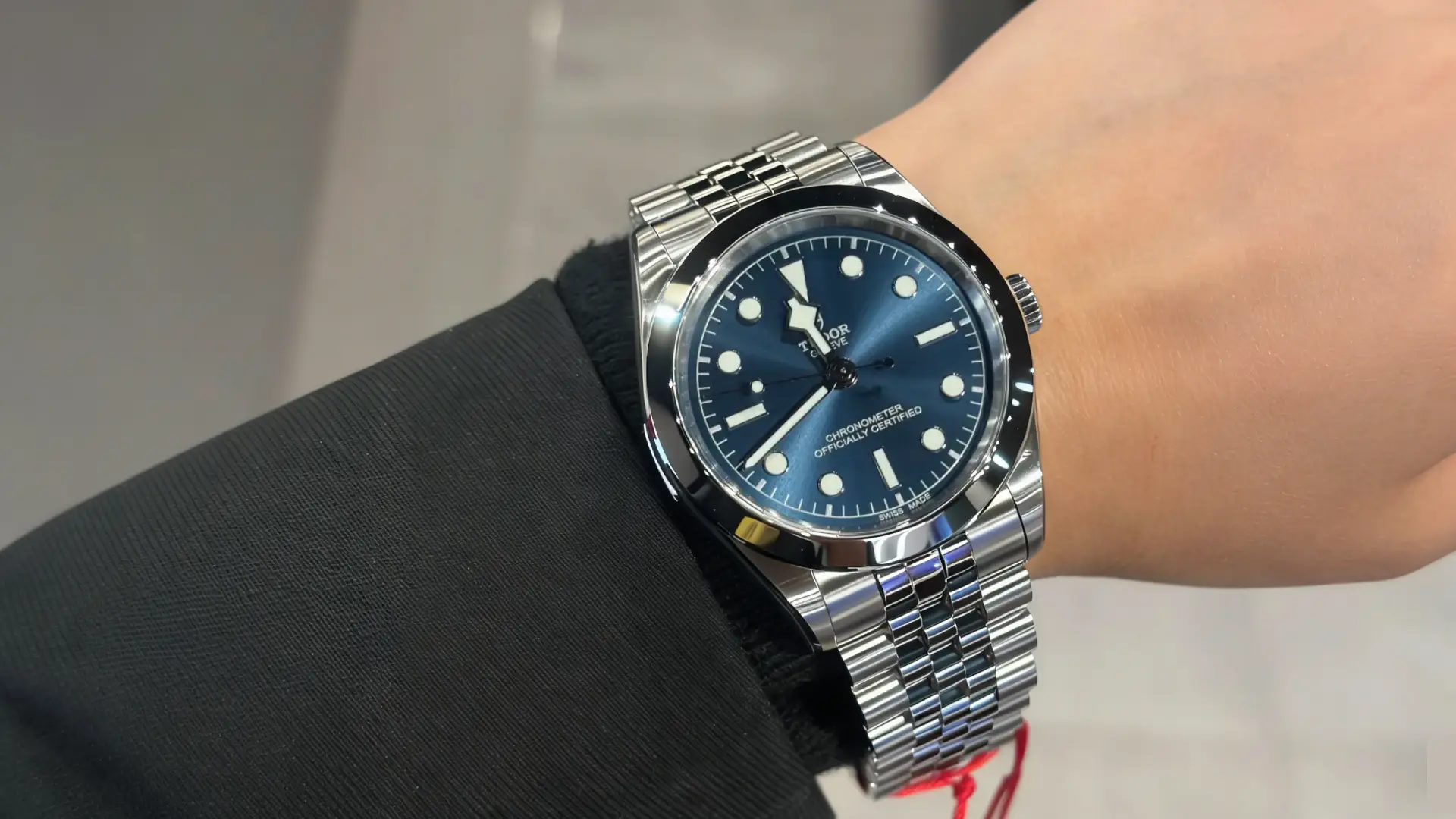
When it comes to telling time, a smartphone is more accurate, convenient, and multifunctional than any watch. So why do millions of people still choose to wear mechanical watches every day? The answer lies not in utility but in emotion, craftsmanship, and style. Here’s a closer look at why mechanical watches remain highly valued in modern life.
1. A Symbol of Identity and Taste
Mechanical watches often serve as a subtle statement of personality and status. Owning a Rolex, Patek Philippe, or Omega signals an appreciation for quality, precision, and craftsmanship. Wearing a watch can convey: •Attention to detail •Appreciation for heritage •A sense of personal success In many professional or social settings, a well-chosen watch communicates more than words ever could.
2. The Allure of Mechanical Craftsmanship
Mechanical watches are “living machines” with intricate gears, springs, and escapements. The movement of the balance wheel, the ticking of the escapement, or the ritual of winding a manual watch gives a sense of connection to time that digital devices cannot replicate.
Enthusiasts often describe the experience as: •Enjoying the tactile ritual of winding a watch •Admiring the smooth movement of the hands •Feeling a subtle, daily interaction with history and craftsmanship This emotional and sensory connection is what sets mechanical watches apart from smartwatches and quartz models.
3. Longevity and Heirloom Value
Unlike smartphones or wearable tech, a well-maintained mechanical watch can last for decades—or even generations. Classic models like the Cartier Tank or Omega Seamaster carry stories of their owners and become treasured family heirlooms. Buying a mechanical watch isn’t just a purchase; it’s an investment in time, memory, and legacy.
4. Potential Investment and Value Retention
While not all watches appreciate in value, certain models hold or even increase their worth over time. Limited editions, iconic designs, and highly sought-after pieces from brands like Audemars Piguet or Rolex often perform well in the secondary market. For collectors and enthusiasts, buying a mechanical watch can be both a passion and a strategic investment.
5. Freedom from Digital Distractions
Mechanical watches provide the pure function of telling time without the distractions of notifications, emails, and apps. Many people find that: •A glance at the wrist is enough to check the time •They avoid the endless scroll of their phones •It encourages mindfulness and focus in daily life In a world dominated by screens, this simple functionality has its own appeal.
6. A Fashion and Lifestyle Statement
Watches are no longer just practical tools—they’re an essential part of personal style. Different styles of mechanical watches convey different messages: •Dress watches → elegant and understated •Dive watches → sporty and adventurous •Complications (chronographs, moon phases) → refined and sophisticated A well-chosen watch can elevate any outfit and reflect the wearer’s personality.
The Bottom Line
Mechanical watches are not the most practical tools for telling time. They require maintenance, are less accurate than digital devices, and cost more. But people continue to wear them because they satisfy needs beyond function—emotional, aesthetic, social, and even financial. In short: people don’t buy mechanical watches just to tell time—they buy them to experience time differently.